Wedding Photography Tips for Couples: How to Prepare for Your Wedding Photos
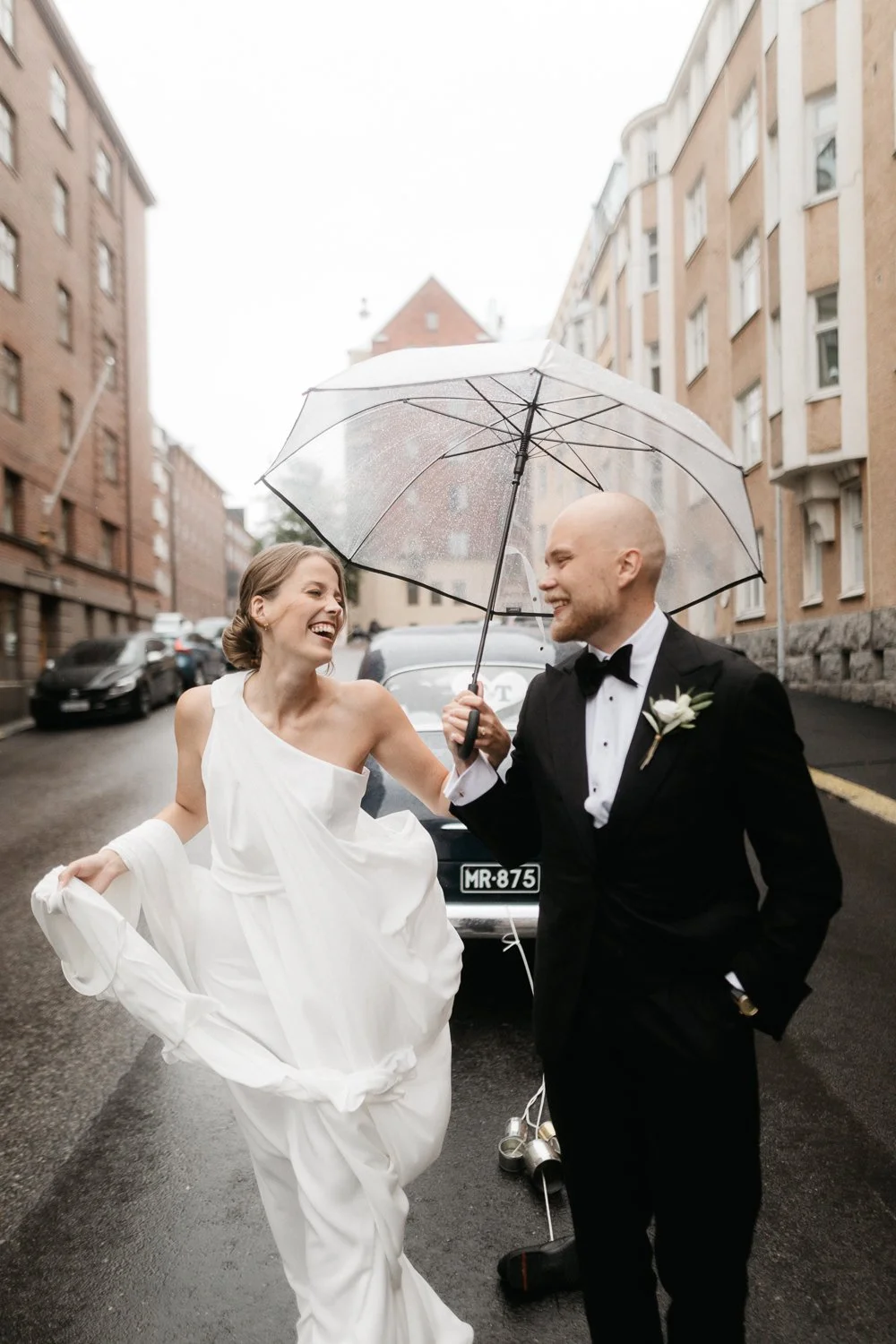


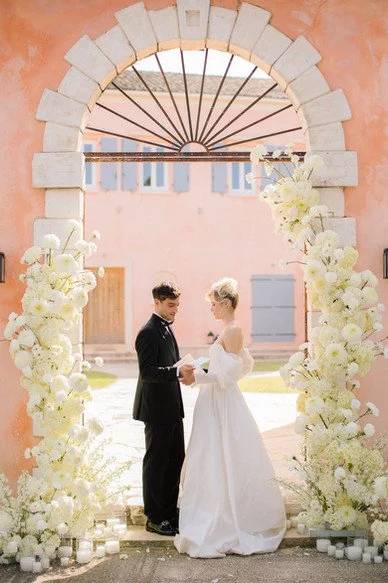
The best wedding photographs come from more than what happens in front of the Camera. The photographer you choose, the timeline you create, the light throughout the day, and the space you give yourself to experience the celebration can all influence the final photographs.
Good preparation isn't about planning every image. It's about making thoughtful decisions before the wedding so that, when the day arrives, you can spend less time thinking about photography and more time being present.
These wedding photography tips will help you prepare for the experience while leaving room for the genuine moments that make your celebration your own.
1. Choose a Photographer Whose Work You Connect With
Finding the right wedding photographer involves more than choosing someone whose photographs look beautiful.
Pay attention to how they represent people throughout their work. Are you drawn to spontaneous moments, more intentional portraiture, a fashion influence, strong architectural compositions, or a combination of approaches?
There isn't one correct wedding photography style. What matters is finding a photographer whose work, personality, communication, and working style feel right for you.
2. Look Beyond the Highlight Images
A beautiful portfolio is a starting point, but weddings happen across very different conditions.
Look beyond a handful of hero portraits. Consider how a photographer captures getting ready, ceremonies, family interactions, receptions, details, dancing, and the quieter moments in between, from daylight through evening.
If you want to see more before deciding, ask to view additional wedding galleries that match the type of celebration you're planning.
3. Consider an Engagement Session
An engagement session isn't necessary for everyone, but it can be particularly valuable if you feel uncertain about being photographed.
It gives you a chance to experience how your photographer communicates and directs, understand what feels natural to you as a couple, and feel more comfortable in front of the Camera before the wedding.
The goal isn't to practice poses. It's to become more comfortable with the experience.
4. Share What Matters Most Before the Wedding
Your photographer doesn't need to know every detail, but they should know what could affect how they document the celebration.
Share meaningful relationships, cultural or religious traditions, family heirlooms, surprises, unusual elements in the timeline, or people who are particularly important to you.
This gives your photographer context while leaving them free to capture moments as they happen naturally.
5. Build Photography Into the Wedding Timeline
A good wedding photography timeline shouldn't turn your celebration into a photoshoot. It should give photography enough time to happen without making you feel rushed.
Before finalizing the schedule, involve your photographer. Getting ready, travel, the ceremony, family portraits, couple portraits, cocktail hour, reception events, and available light can all affect when photography takes place.
Building realistic transitions and some flexibility into the timeline gives everyone room to respond when something inevitably takes longer than expected.
6. Plan Around the Available Light
Light can completely change a photograph's character. The same venue may feel very different in afternoon light, near sunset, after dark, or under reception lighting.
This doesn't mean every wedding needs to be organized around “golden hour.” Different photographers work with light differently.
Ask your photographer how they would approach the light available at your venue and during your wedding season, rather than designing the schedule around a generic photography rule.
7. Decide Whether a First Look Makes Sense for You
A first look can create a quiet moment together before the ceremony and allow some portraits to happen earlier in the day.
For other couples, seeing each other for the first time during the ceremony is an important part of the experience.
Both choices can be photographed beautifully. Choose what feels meaningful to you and fits your timeline, not what you think photography requires.
8. Plan Family Photographs in Advance
Family portraits are one part of the wedding day where preparation can make a significant difference.
Share a concise list of important family groupings and mention any dynamics or sensitivities your photographer should know about. Asking someone who knows both families to help gather people can also keep the process organized.
A family portrait list is different from a comprehensive wedding-day shot list. Share the people, traditions, and circumstances that matter most, then give your photographer the freedom to observe what unfolds.
9. Think About Your Getting-Ready Environment
The space where you get ready becomes part of the wedding's visual story.
Consider how many people will be in the room, the available space and light, and where you'll place clothing, flowers, and personal belongings. You don't need to create a perfect room, but reducing unnecessary clutter and keeping important details together can help.
If you have several options at your hotel or venue, your photographer may also be able to advise which environment works best for their approach.
10. Give the Wedding Day Breathing Room
Wedding days change. Hair and makeup may take longer, transportation can be delayed, or a conversation with someone you love may last longer than planned.
A timeline with breathing room lets your photographer respond to what is happening instead of constantly pulling you away because the schedule says something else should already be happening.
It also gives you space to experience moments you didn't plan at all.
11. Prepare for Weather Without Obsessing Over It
If part of your wedding takes place outdoors, have a realistic backup plan and identify covered or indoor alternatives ahead of time.
But imperfect weather doesn't mean imperfect photographs. Clouds, rain, wind, and changing light can create an atmosphere that would never exist on a clear day.
Preparation gives your photographer options; flexibility allows them to use what the day actually gives you.
12. Trust Your Photographer to Know When to Direct and When to Observe
Not every part of a wedding should be photographed in the same way.
Portraits and family photographs may benefit from thoughtful direction. A conversation between your parents, an unexpected reaction during a speech, or the energy of the dance floor usually doesn't need to be orchestrated.
Choosing a photographer whose approach you trust allows them to make that judgment for you.
13. You Don't Need to Perform for the Camera
You don't need to spend your wedding day thinking about how to pose or whether the photographer is watching.
When direction is useful, your photographer can provide it. During the rest of the celebration, focus on your partner, family, friends, and what is actually happening.
Some of the most meaningful photographs happen precisely because the people in them were focused on each other instead of the Camera.
14. Don't Over-Plan Your Wedding Photographs
Preparation helps. Trying to control every photograph usually doesn't.
Use Pinterest and other inspiration to communicate what you're drawn to rather than creating a list of images to reproduce. You don't need to pose constantly, plan every photograph, or wait for perfect weather.
Identify what matters, communicate important information, and then leave space for the unexpected. Your wedding is a celebration, not a photography production.
Wedding Photography FAQs
-
Wedding photographers can be booked well in advance, particularly for popular dates and destination celebrations. Once your wedding date and location are confirmed, start your search rather than waiting until the rest of the planning is complete.
Availability varies by photographer, season, and destination, so no single booking timeline applies to every wedding.
-
Whether you need one photographer or additional coverage depends on the scale and structure of your celebration. Guest count, multiple getting-ready locations, simultaneous events, venue size, and the overall timeline can all affect how much coverage you need.
Your photographer or photography team can recommend the appropriate coverage once they understand how your wedding day is planned.
-
Base coverage on the parts of the celebration you want documented, rather than choosing an arbitrary number of hours.
Consider where you would like the photographic story to begin and end. Some couples prioritize getting ready through the reception, while others may want coverage extending further into the evening or across multiple days of events.
After reviewing your timeline, your photographer can help determine the right coverage.
-
Ideally, your photographer should be involved before the timeline is finalized, especially when you need to account for portrait time, travel between locations, family photos, or changing light.
Once your planner and vendors have established the final schedule, share the updated version with your photographer and communicate any subsequent changes that could affect photography.

Find the Photographer Who Fits Your Celebration
Every photographer brings a different perspective to a wedding. The right fit is about more than a visual style. It is also about how they observe, communicate, direct, and respond to the people and environment around them.
Explore the photographers represented by Velvet Love Studio and discover the approach that feels right for your celebration.